Know What You're
Up Against
These are the sources we trust most. A guide to the reporting, research, and organizing tools that will help you understand what's happening and what you can do about it.
If you only have 30 minutes, watch the More Perfect Union electricity video first. It's the clearest explanation of how your electric bill is being handed to Big Tech, and it covers the same PJM grid that REC and SVEC operate on.
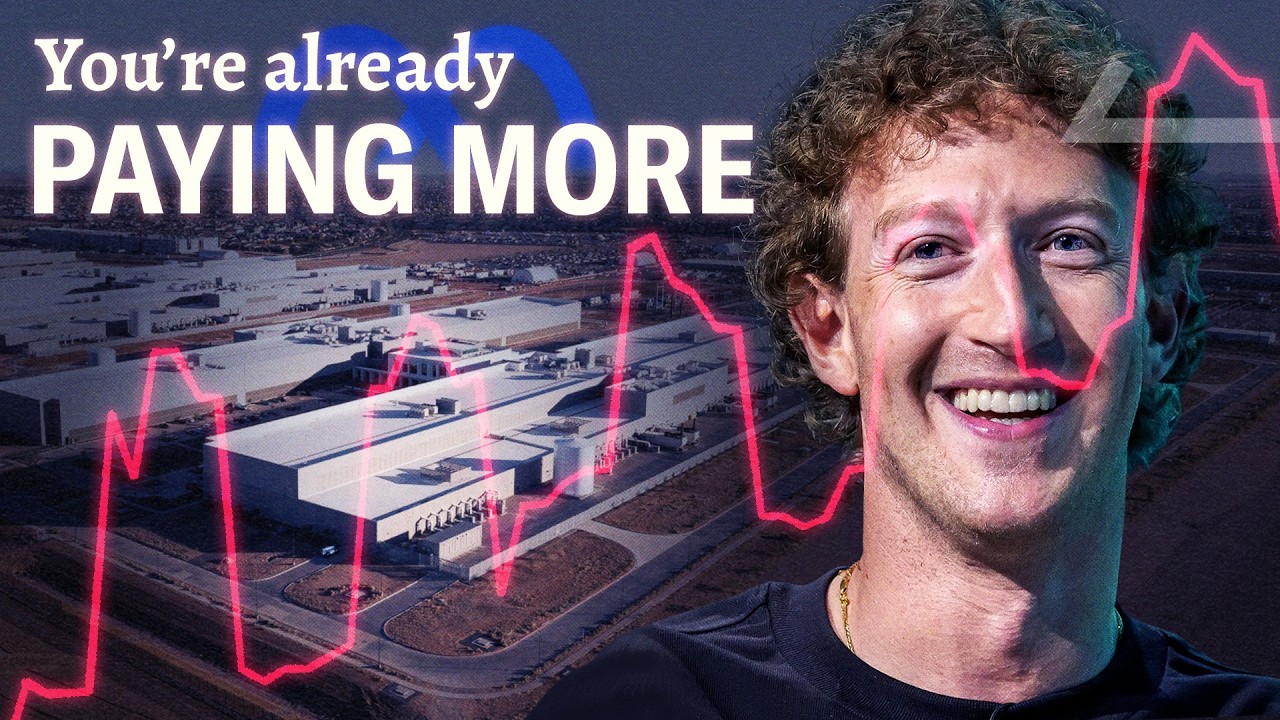
An Emmy-winning nonprofit newsroom goes inside the deal-making between Big Tech and utilities. The key finding: tech companies like Meta negotiate to pay for only half the infrastructure they require, leaving everyone else to cover the rest. Harvard Law School's energy expert and Public Citizen's energy director both appear on camera. Required viewing before the forums.
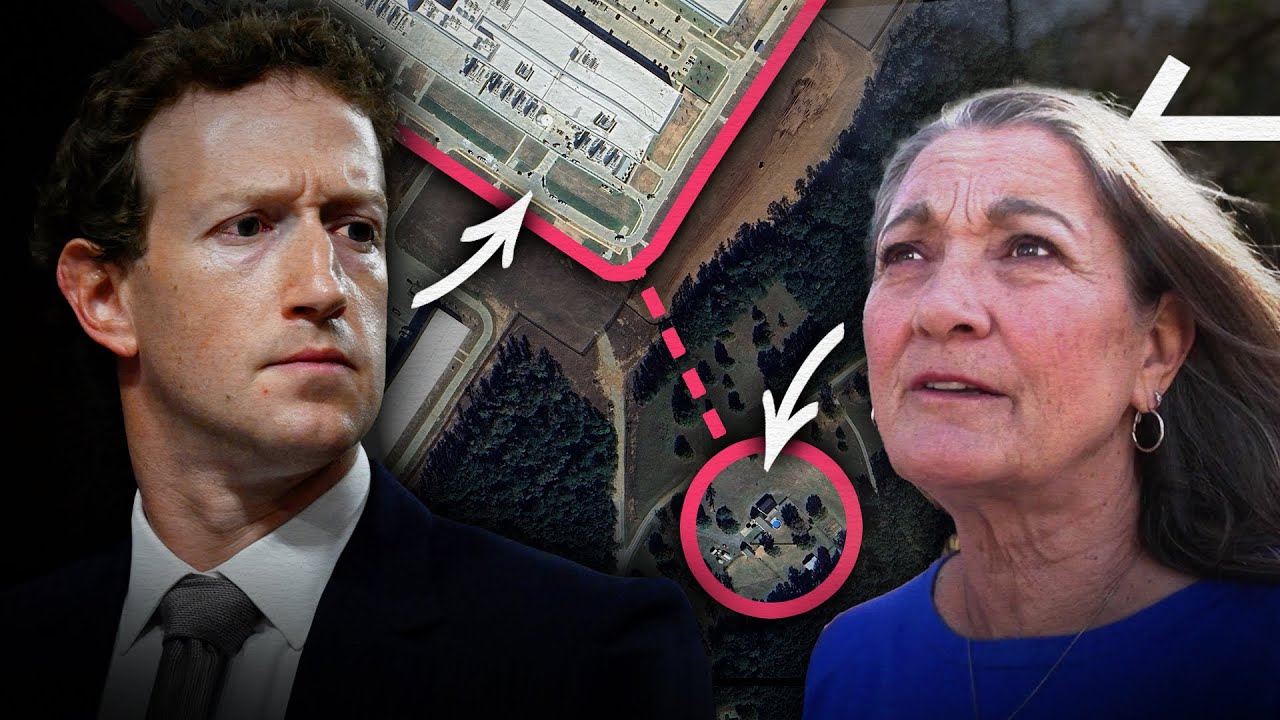
A rural Georgia family bought their land for peace. A Meta data center went up 400 yards away. Nearly 2 million views. The construction contaminated their well water. Meta didn't show up until the video went viral.
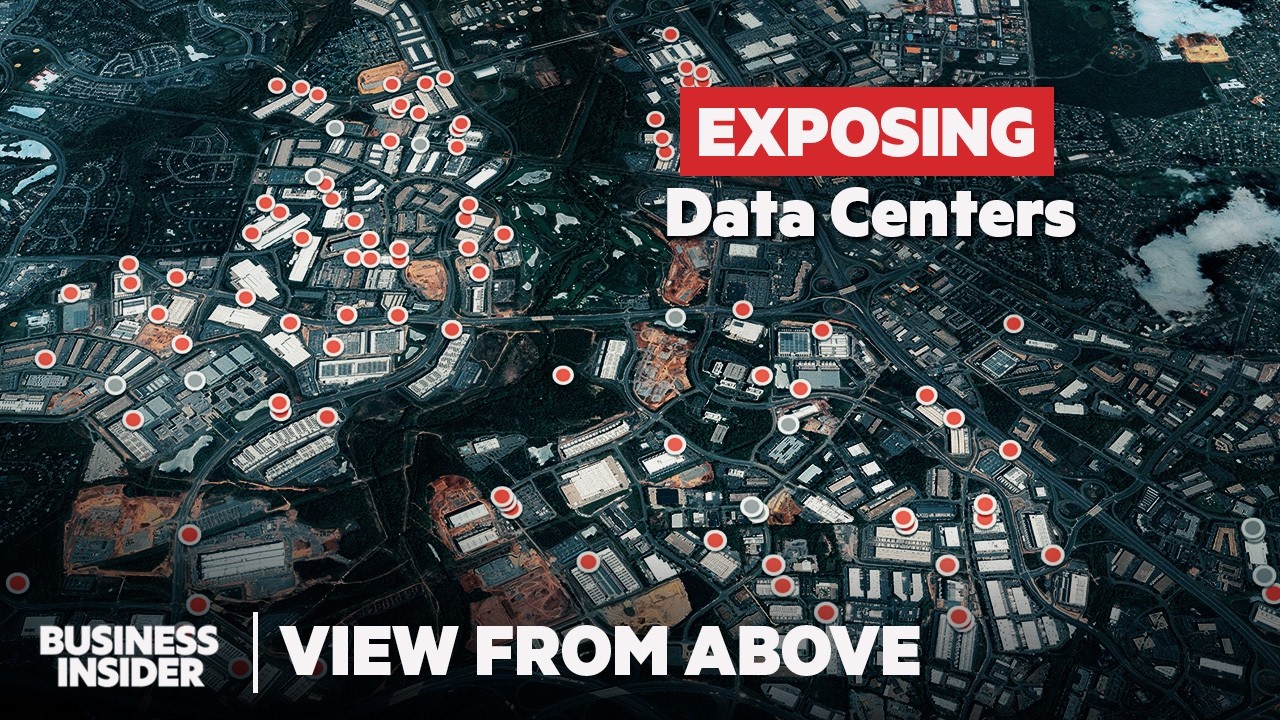
Business Insider reporters mapped every data center in the US for the first time and traveled to Virginia to meet residents living next to them. One-third of the world's internet traffic flows through data centers in a single state: Virginia. This is what Loudoun County looks like after 30 years of "yes."
These are the reporters and outlets covering what's actually happening in Virginia, not industry press releases. Cardinal News and Inside Climate News have done the best sustained reporting on rural Virginia communities specifically.
The most thorough overview of what data centers actually look and sound like in rural Virginia. Includes eyewitness accounts of noise, light pollution, and the quote from a 31-year resident: "It's a sort of cross between a plane and a train." Start here if you're preparing to speak at a forum.
Read →The definitive long read on how Virginia became "Data Center Alley." Essential context for understanding why Frederick County's Board vote in June 2025 mattered.
Read →The Prince William County Digital Gateway fight: $24.7 billion, 2,500 acres. Residents packed meetings and helped flip the county board. This is the community organizing playbook in real time.
Read →Covers Google's $9 billion Virginia expansion and what families near existing facilities experience: cracked drywall, sleepless nights. Also covers Governor Youngkin's veto of HB 1601.
Read →A rural Virginia county given no information about noise, water use, or building count. A court had to order their release. Sound familiar?
Read →Documents that Virginia's electric bills rose 13% last year, nearly double the national average. Clean Virginia's executive director: "We have an energy crisis on the horizon."
Read →The Frederick County fight is happening in hundreds of communities simultaneously. These pieces show the national pattern, and they're useful at forums because they demonstrate this isn't a local fringe position.
Documents the nationwide bipartisan backlash. In Q2 2025 alone, opponents blocked or delayed projects totaling $100 billion.
Read →As Northern Virginia saturates, developers push into rural Appalachia. West Virginia passed a law stripping counties of zoning authority over data centers entirely. Also documents the jobs myth: 1,500 construction workers, then 50 permanent employees.
Read →80% of Virginia municipalities with data centers signed NDAs with developers, blocking residents from accessing basic information about what was being built near their homes.
Read →A running tracker of every community that has successfully pushed back. Includes multiple Virginia cases: Richmond ($500M withdrawn), Manassas (Amazon withdrew after 6-1 vote), and Culpeper (426-acre proposal deferred).
Read →These are the documents to cite when someone says "that's just your opinion." JLARC is Virginia's own nonpartisan legislative research body. Its findings can't be dismissed as outside advocacy.
Virginia's official nonpartisan legislative research body. Finds that data center demand could add $14–$37/month to average residential bills by 2040, that energy demand would require building new infrastructure "at twice the annual rate" of 2024 solar additions, and that noise ordinance enforcement carries a maximum $500 fine, less than a parking ticket.
Three-part investigative series documenting noise impacts (diesel generators reaching 100 dB), electricity bill increases, and water pressure losses. Includes specific dollar amounts for rate increases by region and utility. Part 3 covers noise and health in the most detail.
The first peer-reviewed study specifically examining health impacts in Virginia. Covers air quality, noise, water depletion, economic burden on low-income households, and land use. Academically rigorous — cite this one.
The complete 200+ page PDF underlying the JLARC landing page above. Contains the full methodology, all source data, and the energy grid modeling commissioned specifically for this report.
You don't have to build this from scratch. These organizations have been fighting this fight longer than most people knew it was a fight.
The oldest and most established conservation organization in our region. Has tracked every data center proposal in Virginia and helped communities organize opposition from Fauquier to Pittsylvania. Their data on water, farmland, and grid impact is cited in JLARC's own report.
Focuses on the relationship between utility companies, state politicians, and ratepayers. Has documented that residential customers are largely paying for the data center buildout through grid upgrade costs. Strong credibility with moderate and fiscally conservative audiences.
The local conservative group that released a 21-page data center report in December 2025 and has been actively engaged with the Frederick County process. They've already done legal and policy research specifically on this county.
Tracks every blocked, delayed, and approved data center project in the country in real time. Also publishes analysis on legal strategies, zoning approaches, and what arguments have actually worked in Board hearings versus what hasn't.
The Emmy-winning nonprofit newsroom behind the videos above. Over 2 million YouTube subscribers. They respond to community tips and have covered local fights from Indiana to Georgia to Virginia.
Has published a Virginia-specific data center impact report covering water consumption, carbon emissions, and energy demand. Their karst and groundwater research is the most thorough available.
Read the Evidence
Yourself
Every claim on this site is sourced. These are the primary documents, investigative reports, and official filings behind the numbers.
- REC projects 17 GW of data center demand by 2040Latitude Media, March 2025
- Will special rate classes protect VA residents from data center costs?Virginia Mercury, April 2025
- Virginia co-op proposes path to keep data centers from boosting electric billsDaily Progress, April 2025
- Virginia's New Data Center Electricity Rate Class — 833% capacity price spikeAmerican Action Forum, January 2026
- JLARC: Data Centers in Virginia (full study)Virginia General Assembly, December 2024
- JLARC Report 598 — $444/yr projected residential cost increase by 2040JLARC, December 2024
- Virginia SCC Order: Dominion rate increase & new GS-5 data center rate classVirginia SCC, November 2025
- The surging demand for data is guzzling Virginia's waterGrist / Loudoun Water FOIA, June 2024
- Responsible Data Center Development — 250% water use increasePiedmont Environmental Council, 2024
- Data Centers and Water ConsumptionEnvironmental and Energy Study Institute, 2024
- Addressing Data Center Energy Demand in VirginiaVirginia Conservation Network, 2025
- Youngkin vetoes bipartisan data center oversight bill (HB 1601)Data Center Dynamics, May 2025
- Youngkin vetoes bill requiring site assessments for data centersCardinal News, May 2025
- Virginia doesn't have statewide data center regulations. Localities are making their own rules.Virginia Mercury, June 2025
- Why more residents are saying 'No' to AI data centers in their backyardNPR, July 2025
- The Cloud is Too Loud: Community activists from the data center capital of the worldCASTAC / Platypus, August 2024
- In the Shadow of Big Tech: Real harms felt by frontline communitiesConsumer Federation of America, October 2025
- Data centers are noisy as hell — noise levels, rural impact, health effectsGerry McGovern / Data Center Knowledge
- USGS Geologic Mapping of Frederick County, VA — karst, sinkholes, groundwaterU.S. Geological Survey / Science.gov
- Sinkholes and Karst in Virginia — geology, contamination history, I-81 corridor riskVirginia Energy / Division of Geology and Mineral Resources
- A Resident's Guide to Sinkholes — aquifer vulnerability, contamination pathwaysVirginia Department of Conservation and Recreation
- Living on Karst — groundwater travels miles in a day, no natural filtrationCave Conservancy of Virginia
- Warren County supervisors close door on data centers — 5–0 voteNorthern Virginia Daily, January 2023
- "No one has ever asked me to find them a home near a data center" — Loudoun realtorLoudoun Now, February 2025
- Home values and proximity to data centers — what the research actually saysFXBG Advance / GMU Schar School, September 2025
- Pittsylvania County defeats 84-data-center MegaCampus proposal — 6–1 voteSouthern Environmental Law Center, 2025